Legal Issues

Supreme Court Steps In: Allegations of Assault at Noida Police Station

Supreme Court Steps In: Allegations of Assault at Noida Police Station

Introduction to the Incident

In recent developments within the Indian legal system, a significant incident has occurred involving a woman lawyer who has leveled serious allegations of assault against police personnel at a Noida police station. This incident reportedly took place on September 15, 2023, at the Sector 20 police station in Noida, Uttar Pradesh. The lawyer, whose identity has been withheld for privacy concerns, claims that she was subjected to physical and verbal abuse by multiple police officers while she sought assistance regarding a legal matter.

The allegations suggest that the confrontation escalated when the lawyer attempted to register a complaint. She asserts that rather than receiving aid, she encountered hostility from the officers on duty, who allegedly resorted to inappropriate behavior and aggression. This breach of professional conduct has raised concerns about the treatment of individuals seeking legal support from law enforcement agencies.

This incident underscores the ongoing discussions around police conduct and accountability in India, particularly concerning women’s safety and rights within the justice system. The distressing nature of these accusations highlights the critical need for thorough investigation and accountability within police departments nationwide. As societal norms progress, it becomes imperative to ensure that legal aid resources and law enforcement collaborate effectively to maintain public trust.

The lawyer’s allegations have attracted media attention and sparked public outrage, bringing into focus the importance of safeguarding the dignity and rights of individuals interacting with police. It is essential that such matters are handled with urgency and sensitivity to prevent further erosion of trust between citizens and the police. As investigations commence, the pursuit of justice remains paramount in restoring faith in the legal framework of the country.

Background on the Lawyer

The woman lawyer at the center of the recent allegations against the Noida police station is a well-established professional in the legal community. With over a decade of experience, she has built a reputation for her dedication and commitment to justice. She earned her law degree from a prestigious university and has since been associated with significant cases that underscore her expertise in criminal law and human rights advocacy.

Throughout her career, the lawyer has represented numerous clients, often taking on challenging cases that involve systemic injustices. Her involvement in high-profile cases has not only highlighted her abilities but also her willingness to confront powerful adversaries. Notable cases include her work on behalf of victims of domestic violence, where she successfully advocated for their rights in difficult legal environments. This particular area of law reflects her commitment to ensuring that vulnerable individuals receive the protection they deserve.

In addition to her litigation work, she has engaged in various advocacy initiatives aimed at raising awareness of legal rights among marginalized communities. Her contributions in this regard demonstrate her passion for social justice and her determination to bring about change. The lawyer has frequently participated in public seminars and workshops, educating the public on legal matters and empowering them to seek justice. Her advocacy extends beyond the courtroom, as she has also collaborated with non-governmental organizations to support victims of crime and promote legal literacy.

The combination of her professional accomplishments, coupled with her active role in advocacy, provides significant context for the allegations she has made against the police. Understanding her background is crucial in evaluating the credibility and motivations behind her claims, thus revealing a complex interplay of personal experience and professional duty that informs her actions in this troubling situation.

Details of the Allegation

The allegations surrounding the incident at the Noida police station are both grave and disturbing. According to the lawyer representing the complainant, the purported assault occurred during a routine questioning process wherein the individual was apprehended under questionable circumstances. Eyewitnesses who were present during the incident have reported that the complainant was subjected to physical aggression by police officials, claiming that excessive force was employed to extract a confession. This assertion raises significant concerns about the treatment of individuals within custody, particularly the adherence to established legal protocols.

Moreover, the lawyer’s testimony indicates that her client sustained visible injuries as a result of the alleged assault, corroborated by photographic evidence that has been brought forward. This visual documentation purportedly highlights bruises and abrasions on the complainant’s body, which serve to amplify the severity of the claims. Additionally, the lawyer has emphasized the psychological impact on her client, asserting that the traumatic experience has left lasting emotional scars, further underscoring the need for accountability and justice.

In response, the police officials have issued a statement denying the allegations, asserting that all actions taken during the questioning were within the bounds of the law. They have called for an impartial investigation into the claims made by the lawyer and her client, suggesting that this would clear the department of any wrongdoing. It is imperative that any investigation into these allegations be conducted meticulously, examining all available evidence, including police reports, CCTV footage from the police station, and testimonies from other witnesses who might have information pertinent to the case.

Legal Implications and Civil Rights

The recent allegations of assault at a Noida police station raise significant concerns regarding the legal implications of law enforcement practices and, more importantly, civil rights violations. Such incidents not only attract scrutiny from the judiciary but also place a spotlight on the systemic issues prevalent within policing institutions. The upholding of civil liberties is fundamental to a democratic society, and any breach can erode public trust in law enforcement and the legal system.

When police officers are accused of misconduct, as alleged in this case, it calls into question the adherence to established protocols and the justification of force. Civil rights violations represent a departure from ethical policing standards and invite examination of accountability measures for officers involved. The consequences of these incidents can be severe, leading not only to civil suits but also potential criminal charges against the alleged perpetrators. Additionally, such instances can set a dangerous precedent, impacting not just the victims, but the broader community’s perception of safety and justice.

Moreover, these allegations highlight the necessity for reform within police departments, emphasizing the importance of transparent investigations. Public sentiments may wane if citizens perceive that their rights are not protected by those sworn to serve and protect them. Therefore, it becomes crucial for law enforcement agencies to engage in dialogue with the community, prioritize training on civil rights, and ensure accountability through adherence to legal standards. 

In conclusion, the allegations coming to light serve as a stark reminder of the need for meticulous adherence to civil rights in policing practices. Only through thorough investigations and systemic changes can trust be rebuilt and the integrity of the legal system restored.

Response from the Police

The allegations of assault at the Noida police station have garnered significant attention, prompting the police department to take a proactive stance in addressing the concerns raised. In an official statement, the police clarified their commitment to transparency and accountability within their ranks. They asserted that any act of misconduct will be thoroughly investigated, ensuring that justice is served appropriately for both the victims and the accused.

Following the serious accusations, the police department confirmed that an internal inquiry has been initiated to assess the validity of the claims made against the officers involved. This inquiry aims to determine the circumstances surrounding the alleged incident and to evaluate the conduct of the personnel stationed at the facility. The police department emphasized the importance of maintaining public trust, which they believe is paramount to effective policing.

Furthermore, the police have expressed their intention to cooperate fully with any external investigations initiated by oversight bodies or legal authorities. This cooperative approach is intended to reinforce their dedication to upholding the rule of law and ensuring that any findings of misconduct are addressed with the utmost seriousness. The department has also reiterated its policies on professional conduct, highlighting their zero-tolerance stance towards any form of abuse or violence within their ranks.

In an effort to foster community confidence, the police have committed to regular updates regarding the inquiry’s progress. They have also invited community members to come forward with any additional information that may assist in the investigation. This approach not only aims to hold the involved officers accountable but also seeks to demonstrate the police’s commitment to reform and to serve the community with integrity.

Supreme Court’s Intervention

The Supreme Court of India has recently intervened in a significant case concerning allegations of assault that occurred at a police station in Noida. This intervention highlights the court’s commitment to ensuring justice and accountability within law enforcement agencies. In a pivotal ruling, the Supreme Court has mandated the release and review of the CCTV footage from the police station in question. This directive is a crucial step towards advancing the investigation and uncovering the truth behind the allegations.

The court’s order to obtain the CCTV footage serves multiple purposes. Firstly, it aims to provide a transparent account of the events that transpired within the police station. Footage from such devices is often critical in criminal investigations, as it can either corroborate or refute the statements made by involved parties. By emphasizing the need for this evidence, the Supreme Court reinforces the importance of technological advancements in promoting accountability within the police force.

Furthermore, the Supreme Court’s involvement underscores its role as the guardian of individual rights and liberties. Allegations of police misconduct, such as the assault reported in this case, raise serious concerns regarding the protection of citizens by those sworn to defend their rights. Through their directive, the court is not only seeking to shed light on this specific incident but also to set a precedent for how similar cases should be handled in the future.

This decision by the Supreme Court reflects a broader commitment to reforming the police system in India and ensuring that justice is served, irrespective of the accused’s status. It highlights the judiciary’s proactive stance in overseeing law enforcement conduct, which is essential for maintaining public trust in the legal system. As the investigation proceeds, the court’s vigilance will be instrumental in ensuring that accountability is upheld and that victims of abuse receive the justice they rightfully deserve.

Public Reaction and Media Coverage

The recent allegations of assault occurring at a Noida police station have sparked significant public outrage and garnered extensive media coverage. The incident highlights ongoing concerns regarding women’s safety in India, leading to discussions on social media and in traditional news outlets. Users on platforms like Twitter have expressed their condemnation of the alleged actions, emphasizing the need for accountability in law enforcement, thereby creating a trending topic that resonates with many individuals across the country.

News articles from various outlets have covered the details of the case, often focusing on the broader implications for women’s rights and safety in urban environments. This incident has not only drawn attention to the specific circumstances of the alleged assault but has also reignited debates about the effectiveness of law enforcement agencies in protecting vulnerable populations. Stakeholders, including women’s rights activists and legal experts, have been vocal about the necessity for reforms within the policing system, advocating for measures that ensure a safe environment for all citizens.

The Supreme Court’s involvement in this case has further heightened public interest and scrutiny. Legal experts are discussing the potential ramifications of the court’s decisions, which may set precedents for how similar cases are handled in the future. As the situation unfolds, a multitude of opinions continue to surface, revealing a community striving for justice while urging for a systematic overhaul to better safeguard the rights of women. The ongoing dialogue initiated by this incident reflects the urgent need for societal change and institutional accountability, highlighting the importance of addressing assault allegations with the seriousness they require.

Exploring the Broader Context

Women’s safety in India remains a pressing issue, evidenced by alarming statistics concerning violence against women. According to the National Crime Records Bureau (NCRB), there has been a significant rise in reported incidents of crimes against women, with cases of assault, harassment, and domestic violence persistently at the forefront. In 2020, the NCRB reported 405,861 cases of crimes against women, reflecting a society grappling with systemic violence and deeply ingrained gender biases. These figures highlight an urgent need for comprehensive strategies to enhance safety and well-being.

Police conduct plays a crucial role in the ecosystem of women’s safety. Historically, there have been numerous incidents where police officers themselves were implicated in the perpetuation of violence against women. Reports suggest that, at times, law enforcement personnel have demonstrated a lack of sensitivity when addressing grievances, leading to distrust within communities. High-profile cases of police inaction and misconduct exacerbate the perception that victims may not receive the support they require, thereby discouraging women from coming forward to report violence or seek justice.

In response to these challenges, various reforms within law enforcement agencies are being instituted across the nation. Initiatives such as gender sensitization training for police officers aim to reshape attitudes and improve response efficacy to complaints filed by women. Furthermore, the establishment of Fast Track Courts has sought to expedite cases of sexual violence, ensuring timely justice for victims. Civil society organizations play a pivotal role in advocating for these changes, emphasizing the necessity for extensive training and accountability mechanisms to restore faith in the policing system.

Considering this broader context, fresh allegations of assault at a police station in Noida compel a reevaluation of prevailing practices and an intensified focus on structural reforms. Continuous dialogue on these issues is imperative for fostering a safer environment for women, where their rights are upheld and protected.

Conclusion and Future Outlook

The recent incident at the Noida police station, where allegations of assault emerged, has brought to light significant concerns regarding police conduct and accountability within the system. Such allegations are not isolated events; rather, they reflect a troubling pattern that needs to be addressed comprehensively. The Supreme Court stepping in highlights its role as a guardian of civil rights, emphasizing the need for scrutiny in cases of police misconduct.

This incident serves as a reminder of the implications that arise when law enforcement personnel are alleged to have overstepped their authority. The public’s trust in the police is essential for maintaining law and order, and incidents such as the one in Noida can hinder that trust. As the judicial system evaluates the details of this case, it is crucial to consider the broader implications for the future of policing in India. Reforms may be necessary to enhance transparency and accountability mechanisms within the police force.

Looking forward, a critical examination of police practices could lead to the implementation of more robust oversight structures, ensuring that instances of alleged misconduct are investigated thoroughly and independently. Training requirements for law enforcement personnel may also need reevaluation to instill a greater understanding of citizens’ rights and appropriate conduct during interactions with the public. Furthermore, fostering community-oriented policing strategies could help bridge the gap between law enforcement and the communities they serve.

Ultimately, the outcome of this case and any subsequent actions taken could determine the trajectory of policing policies in the region. The continued dialogue surrounding police reform is imperative to safeguard citizens’ rights and promoting a just and equitable society. As the implications of the Noida incident unfold, stakeholders must remain proactive in the pursuit of reform and oversight in the policing framework.
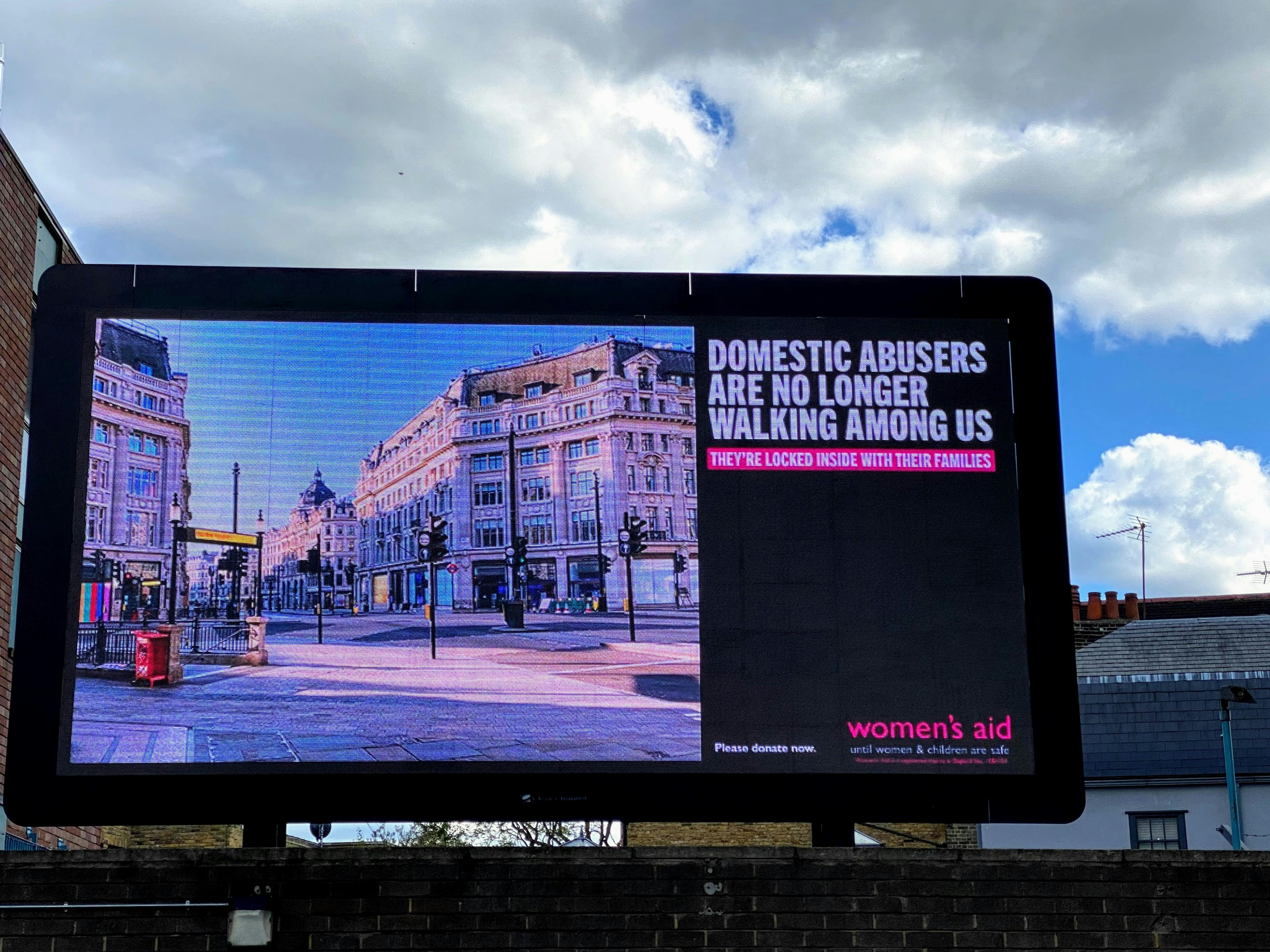
Understanding the UK Government’s Strangulation Ban in Pornography

Understanding the UK Government's Strangulation Ban in Pornography

Introduction to the Strangulation Ban

In recent years, the discourse surrounding the portrayal of sexual violence in pornography has intensified, leading to heightened concerns about the impact such depictions have on societal attitudes and behaviors. The UK government has responded to these concerns by implementing a ban on the depiction of strangulation in adult content. This significant legislative move reflects a growing recognition of the dangers posed by normalizing violent practices in sexual contexts, especially when they disregard the principles of consent.

The context of the strangulation ban arises from ongoing discussions about the clear distinction between consensual sexual practices and non-consensual acts. Strangulation, often depicted in explicit films, can blur these lines, particularly when audiences are not provided with adequate contextualization or signals regarding consent. There is a profound societal responsibility to ensure that media representations do not glorify or trivialize acts that can lead to significant physical and psychological harm. By instituting this ban, the UK aims to draw attention to these moral and ethical dilemmas, emphasizing the importance of prioritizing safety and respect within sexual relationships.

This new legislation seeks to protect vulnerable individuals, particularly young consumers who may be more impressionable and susceptible to adopting harmful notions of consent. The ban serves as a crucial step towards reframing the narrative around adult content, promoting a culture where only safe and consensual practices are highlighted. The implications of this decision extend beyond mere regulation; they encourage broader societal debates regarding the responsibility of content creators, the impact of violence in media, and the critical need for consent in any intimate interaction. Understanding the ban is thus essential for comprehending the evolving landscape of sexual media in the UK.

Background on Pornography Legislation in the UK

The legislation surrounding pornography in the United Kingdom has undergone significant evolution over the years. Initially, the legal framework governing pornography was sparse, with the Obscene Publications Act of 1959 marking one of the earliest attempts to regulate obscene materials. This Act focused on the definition of obscenity and allowed for the prosecution of individuals distributing materials deemed offensive to societal standards. The provisions of this legislation acknowledged that public attitudes toward sexual content were gradually shifting, yet they remained grounded in the prevailing moral standards of that time.

As societal norms continued to evolve, so too did the legal landscape. The 1980s saw the introduction of the Video Recordings Act, which sought to address the rise of home video content, including pornography. This Act mandated age classification for sexually explicit materials and imposed controls on their distribution. Yet despite these efforts, the increasing accessibility of pornographic content through emerging technologies posed challenges to existing laws, prompting subsequent reviews and legislative reforms.

The past two decades have witnessed a further transformation in pornography legislation, particularly with the advent of the internet. The Digital Economy Act of 2017 aimed to safeguard minors by imposing restrictions on online pornography access. This legislative backdrop is essential in understanding the UK government’s current stance on strangulation in pornography. Strangulation, often depicted as a form of sexual dominance in certain explicit material, has garnered considerable attention from both lawmakers and the public. As societal perceptions of such acts continue to evolve, the government’s response reflects a growing consensus that recognizes the need for stricter protections against potentially harmful content. Understanding this history is crucial to appreciating the context for recent legislative changes aimed at addressing extremities in adult content.

The Rationale Behind the Ban

The UK Government’s decision to implement a strangulation ban in pornography stems from a growing recognition of the potential harm associated with the portrayal of violent acts within adult media. The rationale is multifaceted, addressing societal, psychological, and public safety concerns. Primarily, the ban reflects an understanding of how certain depictions can shape public perception and influence behaviors, particularly among impressionable audiences.

One of the critical reasons for the ban is the normalization of violence against women that can arise from its portrayal in pornography. Repeated exposure to such acts, even in simulated environments, may contribute to desensitization, leading viewers to underestimate the severity of such violence in real life. By prohibiting the depiction of strangulation and similar violent actions, the government aims to dismantle the narratives within adult content that trivialize or sensationalize aggression towards individuals, especially women.

Furthermore, the government is committed to promoting safer environments for all individuals, aligning with broader initiatives aimed at combating domestic violence and promoting gender equality. The implementation of the strangulation ban is part of a larger strategy to ensure that media consumption does not perpetuate harmful stereotypes or encourage violent behavior. By establishing clearer guidelines regarding what constitutes acceptable content, the government seeks to safeguard societal values and foster healthier relationships.

In essence, the rationale behind the strangulation ban is rooted in a desire to protect individuals and create a culture that does not tolerate violence in any form. The legal restrictions reflect both a preventive approach to public health and an acknowledgment of the media’s role in shaping attitudes and behaviors towards violence against women. As the discourse surrounding this issue continues, the hope is that such measures will contribute to a reduction in the prevalence of gender-based violence and promote a more respectful treatment of all individuals in society.

Implications for the Adult Industry

The recent strangulation ban imposed by the UK government in relation to pornography has brought forth significant implications for the adult industry, impacting producers, creators, and consumers alike. This legislation seeks to outline clear boundaries regarding acceptable content, which inherently influences the nature of adult entertainment produced and distributed. In navigating this regulatory landscape, industry stakeholders must recalibrate their understanding of permissible portrayals and practices.

For producers and creators, this ban necessitates a re-evaluation of current content strategies. Many adult films often incorporate edgy themes to capture viewer interest; however, the prohibition of strangulation may deter these creative approaches. This shift could lead content creators to explore alternative narratives, thereby altering existing production methodologies. As they adapt to the new regulations, it is conceivable that the quality of adult content may experience fluctuations, as artists adjust to meet legal requirements while still attempting to satisfy consumer demand.

From a distribution perspective, platforms that host adult material must comply with the new legal framework, which may require them to implement stricter content moderation policies. The repercussions of non-compliance could result in punitive measures, including censorship or financial fines. Thus, companies may be prompted to invest in advanced content-filtering technologies or enlist additional staff to ensure that all material adheres to the regulations. This transformation could ultimately result in increased operational costs, which may in turn be passed on to consumers in the form of higher subscription fees or pay-per-view charges.

Economic factors will also play a crucial role in shaping the adult industry’s response to this ban. With mounting costs of compliance and potential market shifts, producers and platforms will need to be agile, reassessing their business models to maintain profitability in a changing landscape. As a result, the dynamics between creators, distributors, and consumers will inevitably evolve, leading to a new normal in the adult entertainment sector.

Public Reaction and Advocacy Group Responses

The UK government’s recent decision to implement a strangulation ban in pornography has elicited varied responses from both the public and advocacy groups. Many individuals, particularly women’s rights advocates, have expressed strong support for the initiative. They argue that the ban is a crucial step in combatting violence against women and fostering a safer environment in which individuals can consume adult content. Numerous organizations dedicated to promoting women’s safety have praised the government for addressing this alarming issue and have called for strict enforcement measures to ensure compliance within the industry.

Advocacy groups highlight the dangers of normalizing violent acts in pornography, emphasizing that such representations can perpetuate harmful stereotypes and attitudes towards women. They assert that eliminating strangulation imagery is essential for creating healthier narratives around sexual relationships. Furthermore, these organizations have launched campaigns aimed at educating the public about the implications of violence in pornography and the necessity of decisive action from lawmakers to protect vulnerable individuals.

Ultimately, the public’s reaction to the strangulation ban in pornography underscores a complex debate between the necessity of protecting individuals from harm and respecting the rights of those within the adult industry. Both sides remain engaged in discussions, highlighting the need for ongoing dialogue and examination of these critical issues.

The Role of Consent in Adult Content

The concept of consent is paramount in the discussion surrounding pornography and adult content. In light of the UK’s new strangulation ban, the importance of ethical practices and clear consent in adult content production takes center stage. Consent refers to the mutual agreement between parties to engage in specific activities, and in the realm of adult entertainment, it is not only a legal requirement but also a moral one that safeguards the rights and wellbeing of all participants.

The UK government’s ban on strangulation in pornography highlights an ongoing commitment to ensuring that all forms of adult content prioritize safety and consensual practices. Traditionally, the industry has faced scrutiny regarding various aspects of consent, particularly concerning the inclusion of extreme acts that may not always align with the boundaries set by performers. This regulation is a step toward fostering a culture that emphasizes clear communication and respect for individual limits, thus encouraging safer production practices across the board.

Ethical adult content production extends beyond simple legal compliance; it fundamentally involves creating an environment where consent is not just a checkbox but a continuous dialogue between all parties involved. This dialogue ensures that every participant feels empowered to express their desires and boundaries without fear of repercussions. Moreover, the adult entertainment industry holds a responsibility to educate both performers and consumers on the significance of informed consent and safe practices, thus influencing public perception and acceptance in a broader context.

In an environment where ethical standards are upheld, the adult content produced can contribute to a more positive representation of sexual practices, fostering a safer community. As the UK implements regulations such as the strangulation ban, it signals a pivot towards prioritizing consensual experiences, marking a crucial evolution in the landscape of adult content that advocates for the rights and dignity of all individuals involved.

Comparative Analysis of Global Laws

The UK government’s ban on strangulation in pornography represents an evolving perspective on the intersection of violence and consent within adult content. Various countries have adopted distinct regulations addressing similar issues, reflecting a spectrum of legal and cultural attitudes toward violence in sexual media. A comparative analysis reveals important variations in how jurisdictions approach this sensitive topic.

In Canada, for example, the laws governing pornography involve a comprehensive assessment of consent and an acknowledgment of potential harm. Canadian law explicitly prohibits any form of violence or coercion in sexual acts depicted in any media format. The emphasis on affirmative consent aligns closely with the UK’s measures, suggesting a growing international consensus regarding the necessity of protecting performers from potentially dangerous practices.

Conversely, the United States exhibits a patchwork of regulations that vary significantly by state. In some areas, legislation surrounding adult entertainment is notably lenient, with a focus on freedom of expression. However, certain jurisdictions have instigated laws aimed at minimizing violence in sexual content, reflecting a response to public outcry over instances of abuse within the industry. Yet, many states lack comprehensive regulations mirroring the UK’s stance, potentially leaving performers vulnerable to risky situations.

In Australia, the governing authorities have implemented stringent bans on violent pornographic content across the country. The nation’s legal framework necessitates consideration of context, strongly emphasizing the ethical production of adult materials. Similar to the UK, these legal barriers aim to safeguard the rights and well-being of performers whilst promoting informed consent. This shared commitment to protecting individuals in the industry signifies a broadening global recognition of the implications of violence in pornography.

Overall, comparing these varying legal frameworks enhances understanding of the complexities surrounding the regulation of violent content in pornography. Analyzing how different nations balance freedom of expression with the need for safety informs ongoing discussions in the UK and worldwide regarding the responsibilities of producers and the protection of performers.

Future of Adult Content and Legislation

The landscape of adult content in the UK is set to evolve significantly in the wake of the government’s strangulation ban. This legislation marks a deliberate shift towards a more humane and responsible approach to adult materials, reflecting deepening societal concerns regarding consent and the protection of individuals involved in producing and consuming these materials. As the industry adjusts to this new legal framework, it will be necessary to examine potential legislative trends that may emerge in response to changing societal attitudes and the potential for further regulation.

One of the most pressing considerations in the future of adult content legislation is the ongoing dialogue surrounding consent. Conversations about what constitutes clear and affirmative consent have gained traction, prompting calls for greater transparency and ethical practices in adult content creation. As these discussions continue to surface within societal discourse, it is likely that lawmakers will take heed and consider more comprehensive guidelines to define consent within the context of adult media. Such developments will necessitate a reevaluation of content creation practices, as producers will have to ensure their works adhere to stricter standards regarding both consent and safety.

Furthermore, the adult industry may find itself compelled to adapt through innovative practices and technologies. The rise of ethical porn production, which emphasizes the consent and well-being of performers, could pave the way for a shift in industry norms. Content creators might invest in user education, ensuring that consumers are aware of safe practices, ethical considerations, and the implications of their viewing choices. This reorientation could not only align with legal expectations but also resonate with a growing audience that values responsible consumption. Overall, the future of adult content in the UK will hinge significantly on the intersection of legal requirements, ethical standards, and the evolving perceptions of consent and safety.

Conclusion

In this blog post, we explored the UK Government’s strangulation ban in pornography, a significant step aimed at enhancing safety and consent in the adult content industry. This legislative action underscores the increasing awareness and concern regarding the potential dangers posed by certain practices depicted in adult films. The ban is a crucial measure to protect both performers and consumers, ensuring that content adheres to established safety standards while promoting a culture of respect and consent.

Moreover, the implications of the strangulation ban extend beyond legal considerations. They serve as a catalyst for broader discussions surrounding ethical production practices in the adult entertainment sector. As society continues to grapple with the balance between freedom of expression and the rights of individuals within this industry, it becomes imperative to establish norms that prioritize the well-being and informed consent of all participants.

For those seeking to deepen their understanding of this topic, various resources are available, including government publications, advocacy group reports, and academic studies that delve into the intersecting areas of law, ethics, and adult entertainment. Engaging with these materials can provide a more comprehensive view of the changes taking place within the industry and the ongoing efforts to promote safety standards. Through continued dialogue and education, stakeholders can contribute to a more secure environment for performers and consumers alike, further reinforcing the importance of consent and safety in all forms of content consumed.